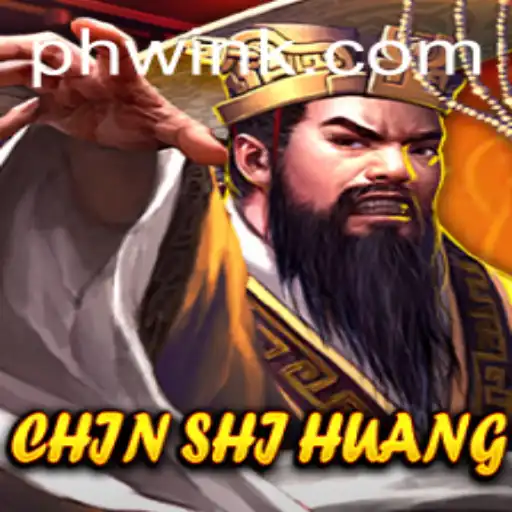
ChinShiHuang: Immerse Yourself in a Game of Strategy and History
In the thriving world of board games and strategic challenges, ChinShiHuang stands out as a captivating blend of history and strategy. Named after the first emperor of China, Qin Shi Huang, the game takes players on a journey through ancient China, where strategic acumen could change the tide of history.
The Essence of ChinShiHuang
The concept of ChinShiHuang is deeply rooted in historical elements, a nod to the intricate world of politics, warfare, and governance that defined Qin Shi Huang's reign. Players must navigate these complexities to emerge victorious. This game encourages players to delve deep into the strategic landscape of ancient China, utilizing insights from current political and strategic tenets.
Getting Started
Before embarking on this enthralling adventure, players need a fundamental understanding of its mechanics. Each player assumes the role of a powerful leader aiming to unify China under their rule. The game begins with players choosing their respective territories, which are mapped across the richly detailed board representing ancient China.
The success in ChinShiHuang relies heavily on players’ abilities to balance diplomacy, resource management, and military might. Each aspect serves as a cornerstone to achieving the primary objective: unification and absolute rule over various territories by carefully navigating alliances, conflicts, and strategic decision-making.
The Mechanics of Play
ChinShiHuang offers a rich tapestry of rules designed to craft a fulfilling experience. As players deploy strategies reminiscent of Qin Shi Huang’s era, they must adapt to both the game’s challenges and their opponents’ moves. Here are the core mechanics that define the game:
- Turn-Based Strategy: ChinShiHuang operates on a turn-based system, compelling players to plan movements and resources meticulously to outmaneuver opposing players strategically.
- Diplomacy and Alliances: Players can negotiate alliances with fellow participants, mimicking the delicate art of political maneuvering. These alliances, however, can be ephemeral, reflecting historical truths of fragile political relationships.
- Resource Management: Managing resources efficiently is critical as players need them to build armies, fortify defenses, and expand territories. Balancing resource allocation is key to sustaining long-term strategies.
- Military Engagements: Military strength is another vital component. Players can choose to concentrate on military expansion, conquering neighboring territories and defending their own through tactical warfare.
Current Events Enrich Strategic Insights
The intricacies of ChinShiHuang can mirror modern geopolitical strategies. With the global political landscape constantly evolving, the game offers modern strategists a lens through which they can reflect on the power dynamics at play worldwide. For instance, considering the current emphasis on economic policies over military confrontations, players might opt for economic blockades rather than outright military engagements to weaken adversaries.
Similarly, as globalization affects trade and resources, players in ChinShiHuang can simulate similar scenarios, emphasizing the importance of alliances in maintaining access to critical resources. The game’s versatility in adapting strategic scenarios lends itself to a deeper understanding of contemporary real-world diplomacy.
Mastering the Art of Victory
To win in ChinShiHuang, players must do more than accumulate territories; they need to craft a lasting legacy. The path to victory is diverse, allowing for numerous strategies to rise as the predominant force. Whether it be through military dominance, forming unbeatable alliances, or economic superiority, players can tailor their approach.
Additionally, strategic tile placements and resource control can dictate the flow of power within the game. Observing the board's dynamic changes and predicting opponents' moves become integral skills. Veteran players recommend staying one step ahead by contemplating not only present circumstances but potential future developments.
Incorporating Modern Strategy Concepts
The relevance of games like ChinShiHuang is amplified when juxtaposed with current strategy models, such as game theory and competitive realism, which academia often explore. These concepts provide players with effective frameworks to analyze and execute strategic decisions, thereby refining their overall gameplay experience.
Moreover, understanding cultural contexts and historical backgrounds can serve as significant advantages. Players who steep themselves in the history of Qin Shi Huang and his leadership tactics may find themselves at an intellectual advantage, enjoying a more profound appreciation for strategic options within the game.
In conclusion, ChinShiHuang not only serves as a compelling strategic challenge but also as an educational pathway, offering its players insights into the complex world of historical and contemporary power play. It’s a game where one's ability to adapt, negotiate, and think critically is as essential as in the world of global diplomacy that we observe today.